
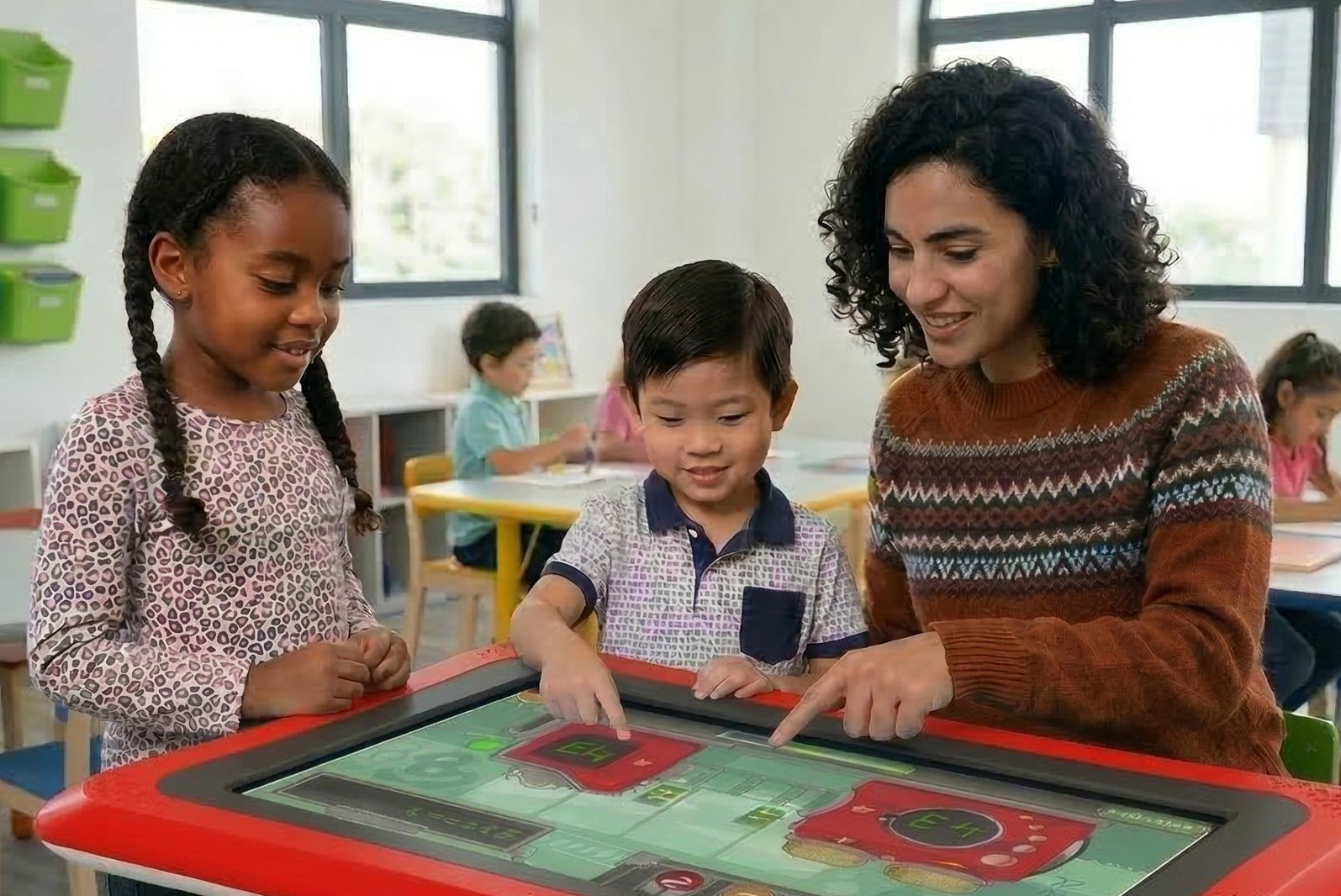
For many of us, learning math was tied to a ticking clock and the pressure of getting the right answer. Math lessons often weren’t about building skills for real life. Instead, they involved a relentless cycle of memorizing formulas, repetition of multiplication tables, and reciting sequential rules. Math felt like a hurdle to clear rather than a tool to use, often leading to a lifelong sense of “math anxiety.”
In Ontario, the curriculum has shifted. We are moving away from focusing solely on rote learning toward a more holistic understanding of number sense and operations.
The Power of Conceptual Understanding
The Ontario Mathematics Curriculum reminds us that mathematics is a “living practice” found in everything from music production to coding. To navigate this world, students need more than the ability to reach the correct answer; they need the ability to reason.
Number sense is the foundation of this fluency. It allows students to flexibly relate numbers and understand operations in a real-world context. When a student understands that 8×5 is simply four groups of ten, or that division is the process of sharing a whole into equal parts, they move beyond memorization to build Mathematical Agency. They become confident problem-solvers who find logic in real-world problems rather than feeling stuck if an answer isn’t immediately obvious.
Building Automaticity Through Deliberate Practice
While conceptual understanding is the goal, the curriculum still values automaticity, which is the ability to perform calculations with little mental effort. However, it highlights deliberate practice as the most effective path. Practice is most impactful when it is purposeful, spaced over time, and follows true understanding.
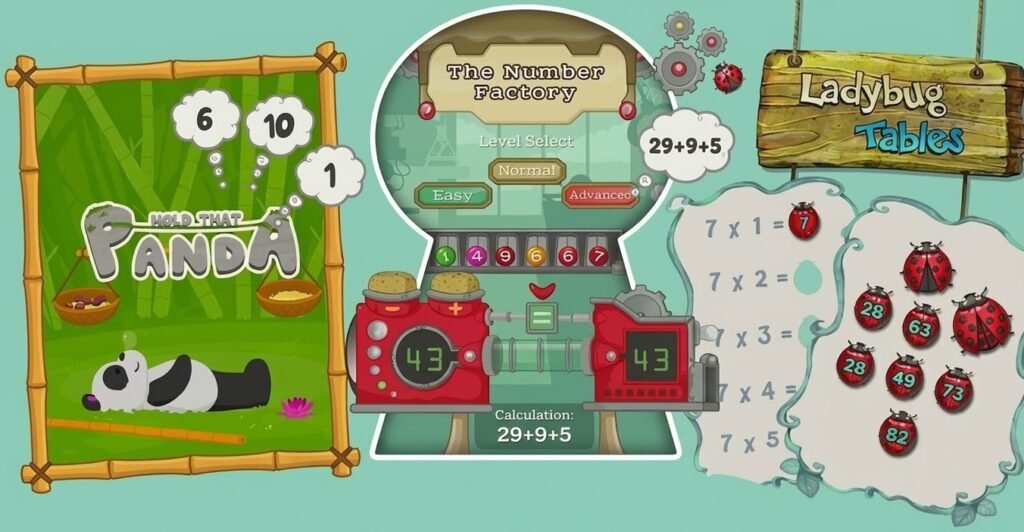
This is exactly where the strategic integration of technology can be a powerful bridge. At Playmove, we designed our games to transform math practice from a high-stakes chore into a collaborative experience. Instead of a solitary worksheet where a mistake feels like a failure, students can use the Playmove Table to solve challenges together. Games like The Number Factory or Ladybug Tables provide crucial spaced repetition, allowing students to test strategies and receive immediate feedback without the stress of traditional drills.
From Spectators to Participants
One of the core principles of the Ontario curriculum is that math is most effective when it is inclusive and hands-on. By facilitating math conversations and small-group learning, we ensure no student is left as a spectator. Whether a Grade 1 student is adding to 20 or a Grade 4 student is mastering division, the goal is to move from doing math to understanding math.
When we prioritize number sense and purposeful practice through play, we help students see that math can help them make sense of the world around them.